

The death of a loved one is overwhelming. We’ll guide you through what to do when someone dies.
You can call us any time, day or night – we always answer the phone.
The first call
The very first time someone calls us to say that someone has died, we refer to that as the “first call”. We’ll take your name and ask you some questions so we can understand what’s going on.
We’ll ask if the doctor’s been, and talk about making a time to bring your loved one into our care. One thing to remember is that in most cases you don’t need to rush and you can take your time with your loved one before the next part begins.
What doctor? Why do they need to come?
When a person dies, a doctor (or Coroner) needs to complete a “Medical Certificate of Cause of Death”. (Sometimes people call this the Death Certificate, but that is a separate document that can only be issued after the funeral.) We also sometimes refer to the medical certification as the “doctor’s paperwork”. In most situations, we can’t transfer the deceased into our care until this paperwork is complete; but sometimes we can organise for it to happen once your loved one is with us.
The doctor’s paperwork is needed for several purposes. It confirms the individual’s key details (full name, dates of birth and death, address, place of death) and who their medical care team has been. If the person is to be cremated, the doctor’s paperwork is needed to gain the permit for cremation. And the cause of death as listed on these papers will be reflected in the person’s eventual Death Certificate.
Expected, or not
If your loved one has died in care (eg a hospital, hospice or rest home) the staff there will arrange the doctor’s paperwork. Often this will take place when the doctor comes on their regular rounds, which might be later that day or the next morning.
If your loved one died at home but it was expected (eg they were in hospice care, were elderly or had a known terminal or severe illness), the GP or palliative care team can do the paperwork. They may want to come to the home to see the deceased, or they may be willing to “sign off” over the phone.
If the death was because of an accident or was unexpected, you need to call 111 and ask for Police. Explain to them what’s happened. A team may come to take your loved one to the Coroner. If that happens, there will be a wait while the Coroner assesses what’s needed; they should keep in touch with you during this process and let you know when your loved one can be released for us to bring into our care.
If you’re in doubt, if you don’t know what to do or who to call first, we can help.
What happens next?

Once the medical paperwork is in place, we’ll arrange to bring the deceased into our care. (Our dual-purpose vehicle serves to transport people from the place of death, and as a hearse on the day of the funeral. It’s classy, discreet and reliable.)
We’ll also talk about when to meet and talk about plans. We call this the “arrangement” meeting.
In most cases, we can wait until the next day for the arrangement. This is usually advisable – it gives you time to get some sleep, have something to eat and drink, and gather your thoughts. It’s hard to make good decisions when you’re exhausted and in the first waves of grief, so give yourself a break before we begin planning. You may also need to consult with family and friends to decide who’s going to be present for the arrangement.
Once the arrangement meeting has happened, we’ll have a plan for next steps.
No matter your situation, it’s our job to help you through it. We know there are lots of things you have to deal with, and we can ease the burden. Give us a call when you’re ready and we’ll take it from there.

View other resources

Matariki at Wellington City Funerals
A year ago at Matariki I was poised on a
What should a funeral look like?
“When I die, I want a Viking funeral…” Believe it

We Love Mercury: The Story Behind the Name of Our Hearse
Some names are chosen carefully. Others seem to arrive exactly
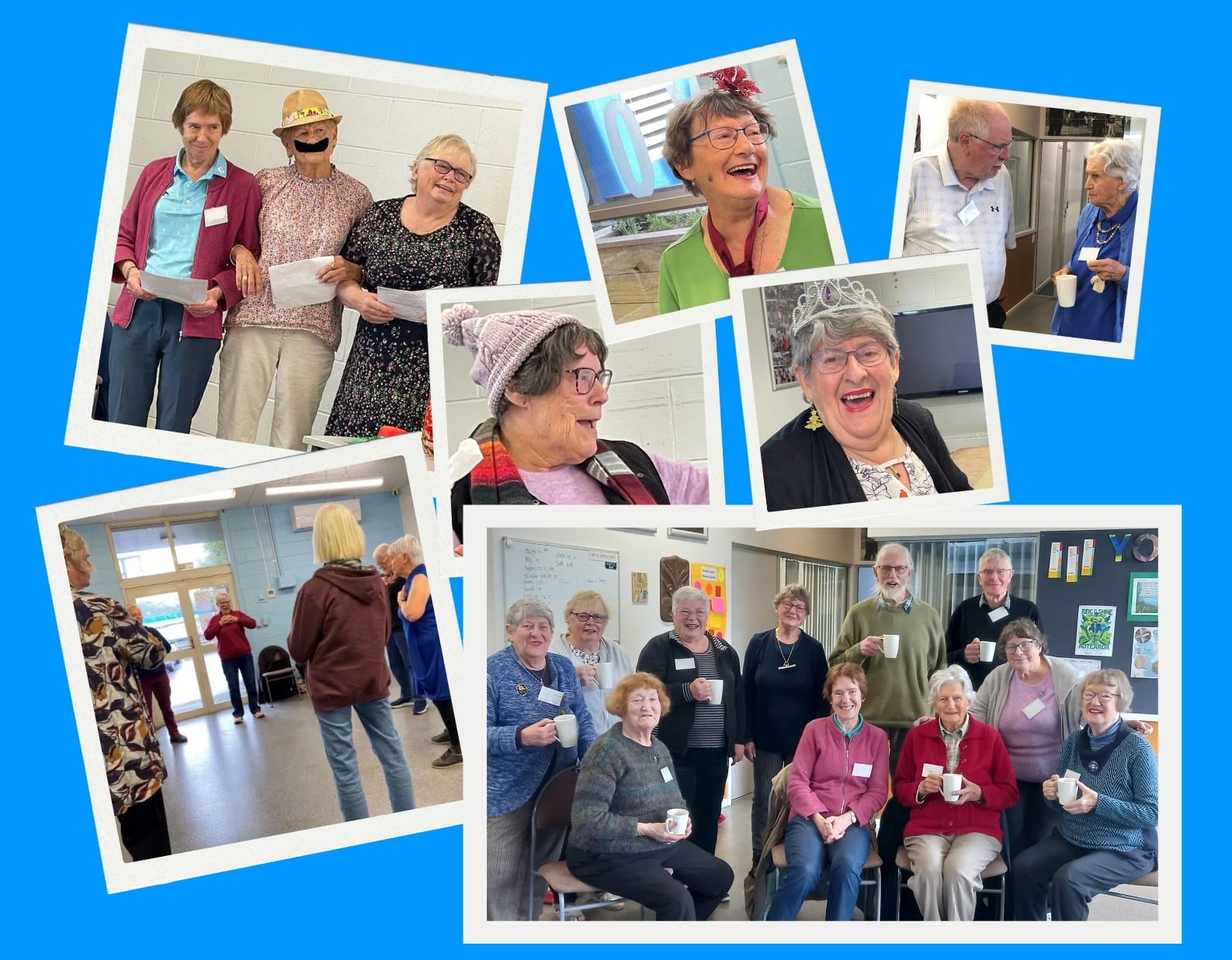
Karori seniors serving DRAMA
On Tuesdays at 10am till 11:30, a small group gathers

How did you get to be a Funeral Director, Mary?
I’ve spent most of my life unsure of what I

How do you feel about Mother’s Day?
ASPARAGUS! I hate it. Like, deeply, passionately, no-coming-back-from-it hate it.

NZ Music Month
The emotive joy of music Some memories don’t fade. You

Does Being Locally Owned Matter?
1997 was a pretty memorable year for me. It was

How did you get to be a Funeral Director, Stu?
Becoming a funeral director was the beginning of what would

No shame; no regrets – Pride in our funerals
The Pride Festival is on in Wellington. No matter where

Glossary: some common funeral-related words and what they mean
Do you pin a cortège on your lapel? If you

Can I get a memorial bench in Wellington?
Installing a seat, bench or picnic table in a public
Looking for some help? Get in touch
Enter your contact details here and we’ll be in touch as soon as we can. If someone has died, it’s best to call us: 04 399 1299.