
1997 was a pretty memorable year for me. It was the year I became a father—hard to believe that was nearly 30 years ago now. “Crikey!” as some might say. It was also the year the iconic Australian film The Castle hit our screens. While it wasn’t made in New Zealand, it felt close enough to home that plenty of Kiwis, myself included, instantly connected with it.
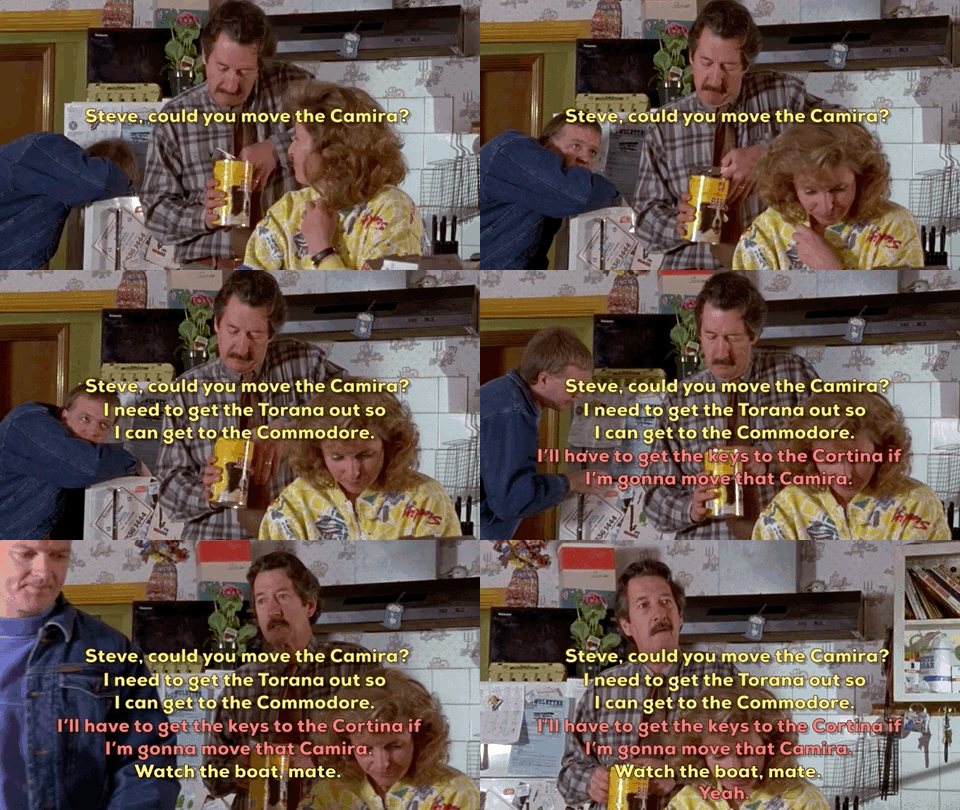
If you’ve seen it, you’ll know exactly why. As our own kids grew up—navigating life (and cars!) on a steep Wellington driveway—we often found ourselves echoing the film’s famous lines: “Steve, could you move the Camira? I need to get the Torana out so I can get to the Commodore.” It became part of the rhythm of family life, just like it did for so many others.
But The Castle isn’t just a funny film full of quotable moments. It’s a story that resonates on a deeper level. At its heart, it’s about everyday people standing up against big corporations and systems that have lost sight of what really matters—the human side of things. It’s about the “little guy” refusing to be overlooked, and (spoiler alert) finding a way to win.
That story feels especially relevant to us.
At Wellington City Funerals, Mary and I often reflect on how much the funeral industry has changed over the years. Traditionally, funeral homes across New Zealand were locally owned and operated—run by families or individuals who were deeply connected to their communities. These were people who didn’t just provide a service; they cared, genuinely, about the families who walked through their doors.
Today, things look quite different.
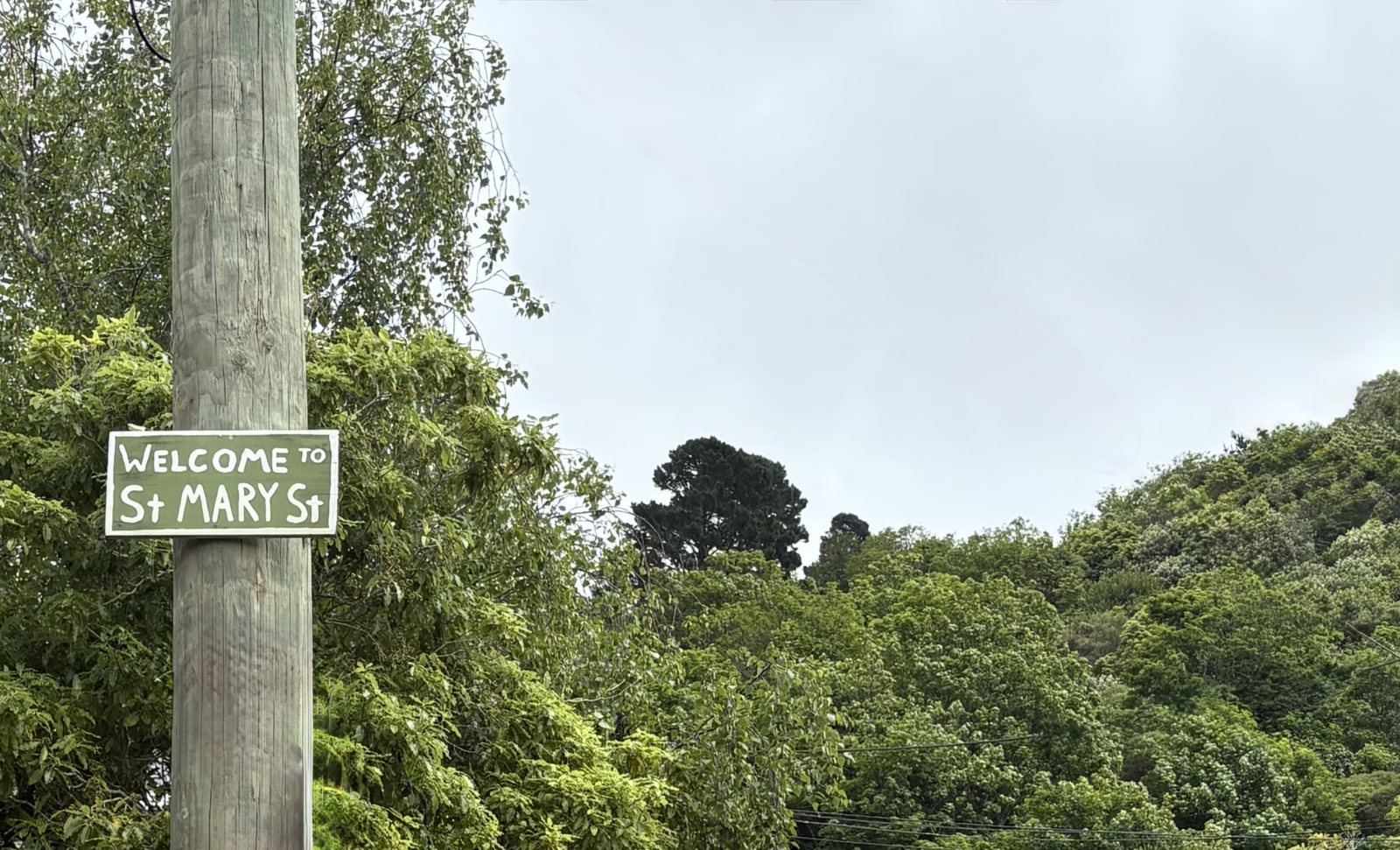
The industry has undergone significant consolidation, with many once-independent funeral homes now owned by large overseas corporations. Often, those businesses still carry their original local names and branding, so from the outside, they can appear unchanged—still family-run, still local. But behind the scenes, the reality is often very different. In fact, Wellington City Funerals is the only funeral home in Wellington City that is owned and run by people who live in Wellington City. Most are owned by overseas corporations.
Having both worked within corporate structures ourselves, we understand how those systems operate. And while they can bring certain efficiencies, we came to realise something important: there has to be a better way.
Because when it comes to funerals, this isn’t just another service industry.
This is about people. About grief. About families navigating some of the hardest moments of their lives.
We don’t believe profit should come before people. We don’t believe systems and structures should get in the way of care—they should support it. As Darryl Kerrigan so perfectly put it in The Castle, “It’s not a house, it’s a home.” That idea applies just as much here. A funeral home shouldn’t feel like a transaction—it should feel like a place of genuine care and support.
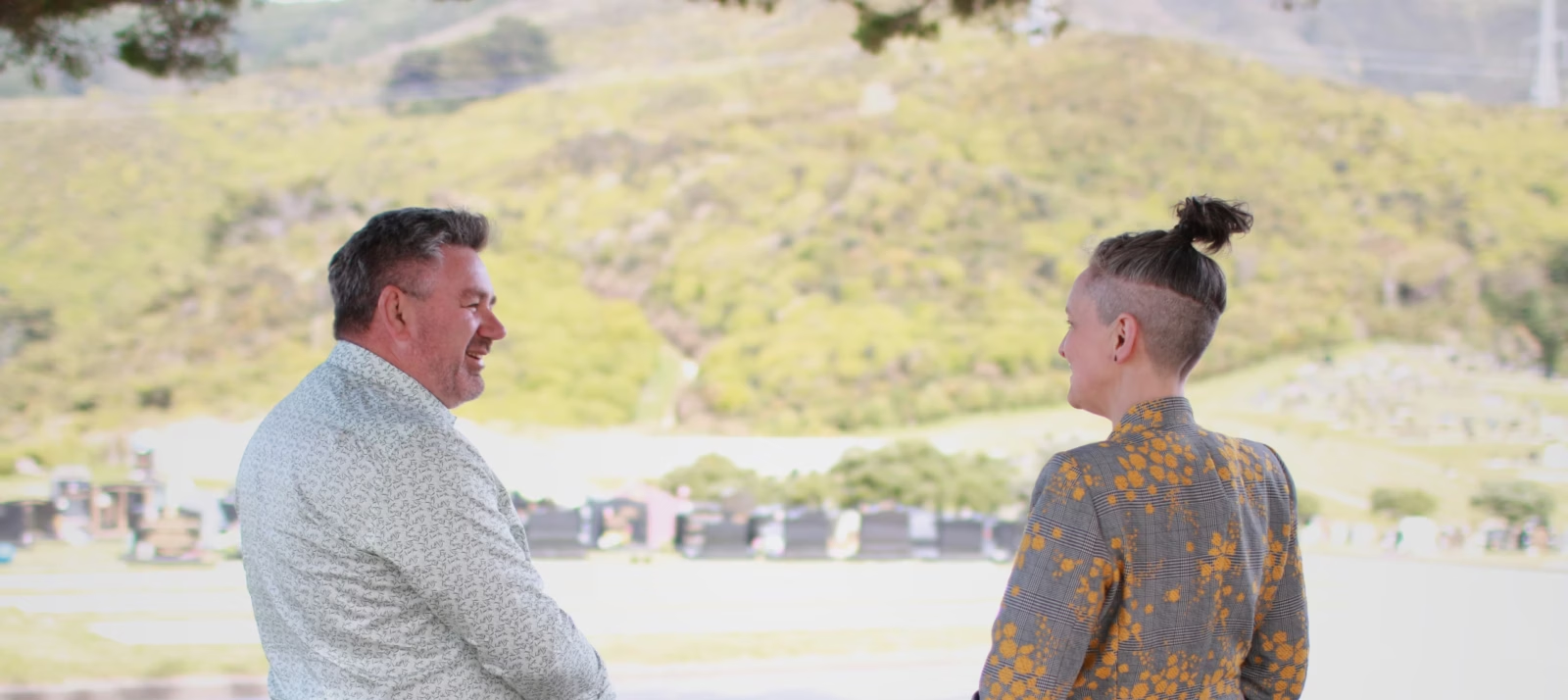
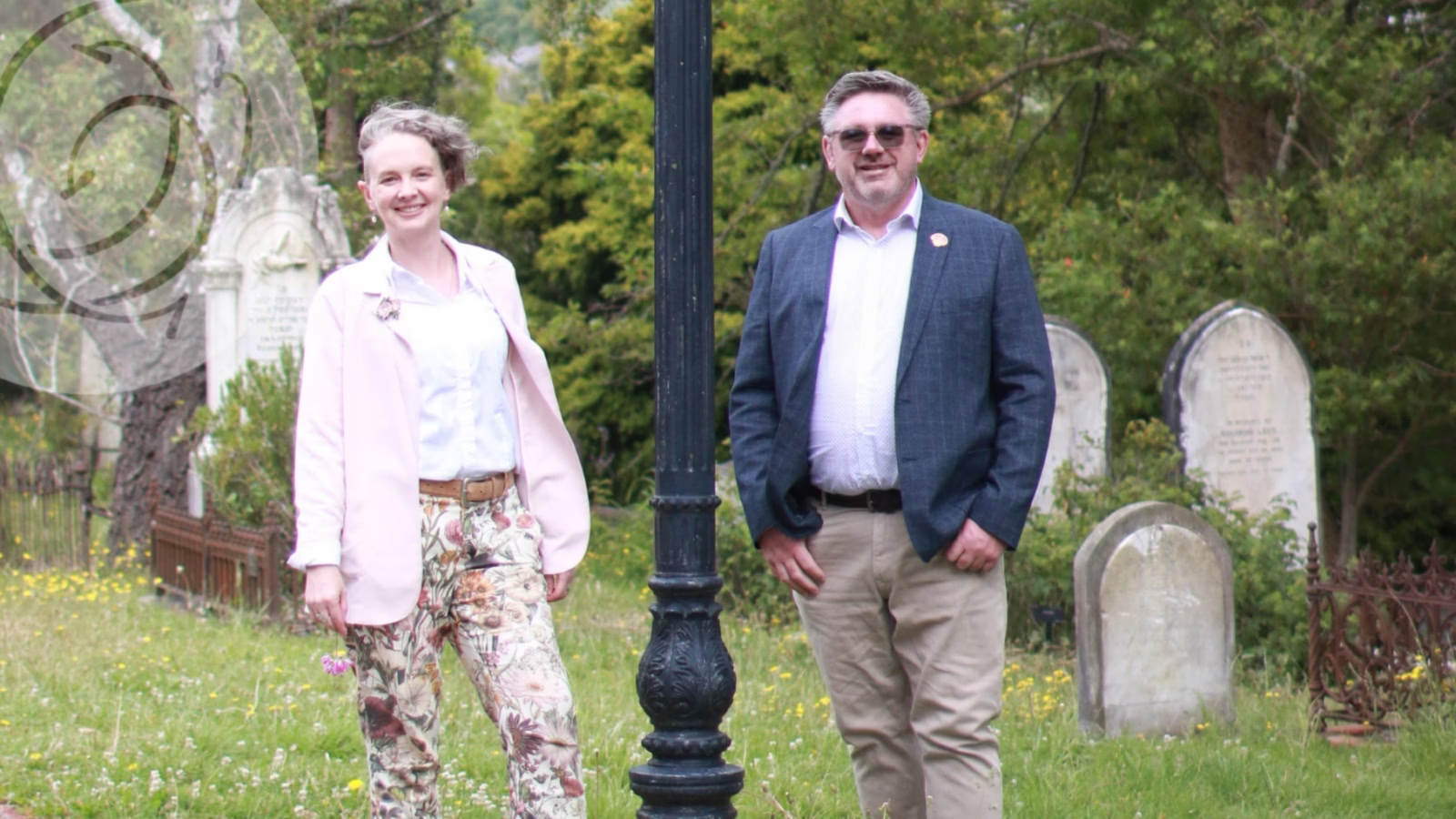
Mary and I are Wellingtonians. This is our home. We know the streets, the communities, the people—and we care deeply about all of it. That’s why being locally owned isn’t just a label for us; it’s a commitment.
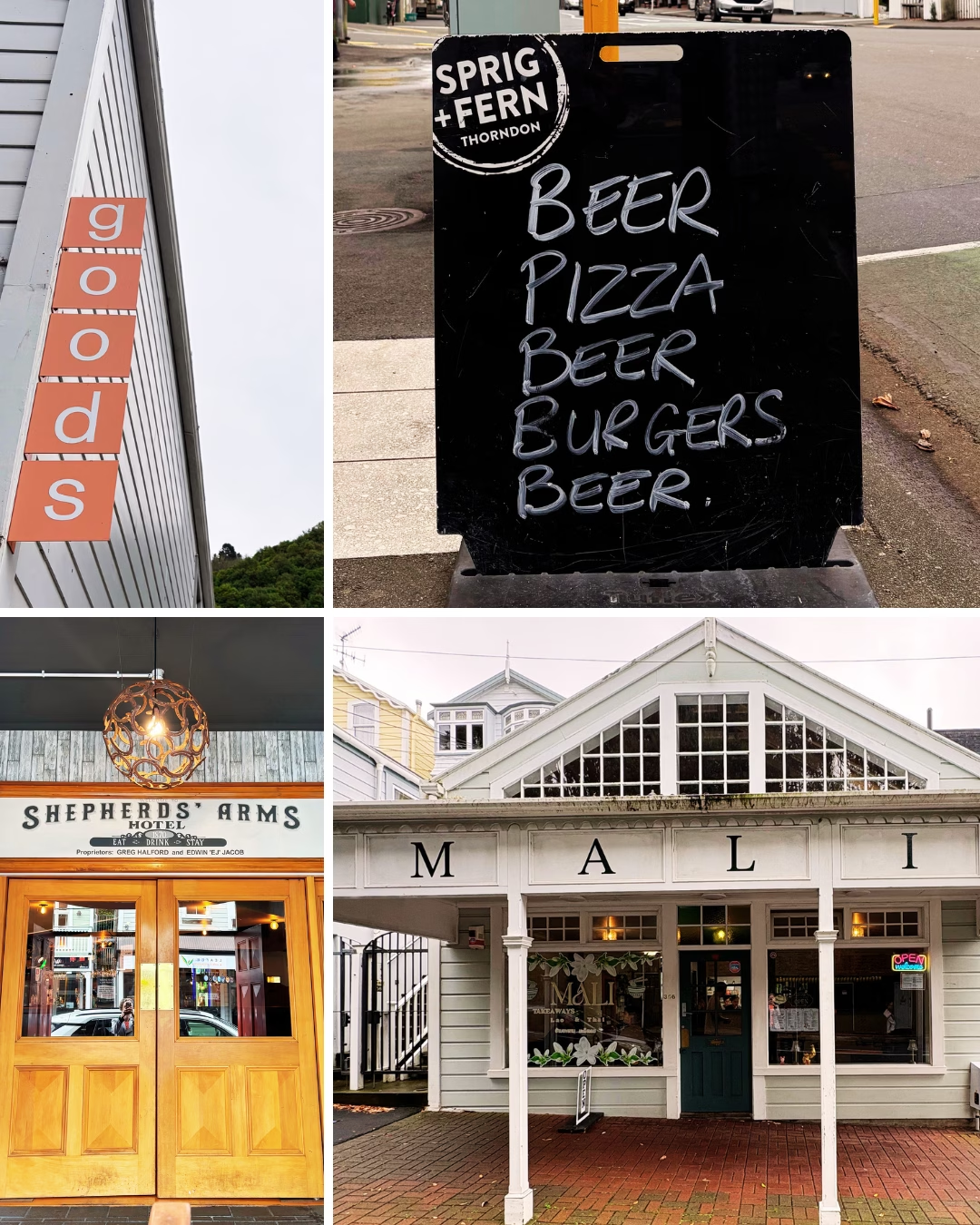
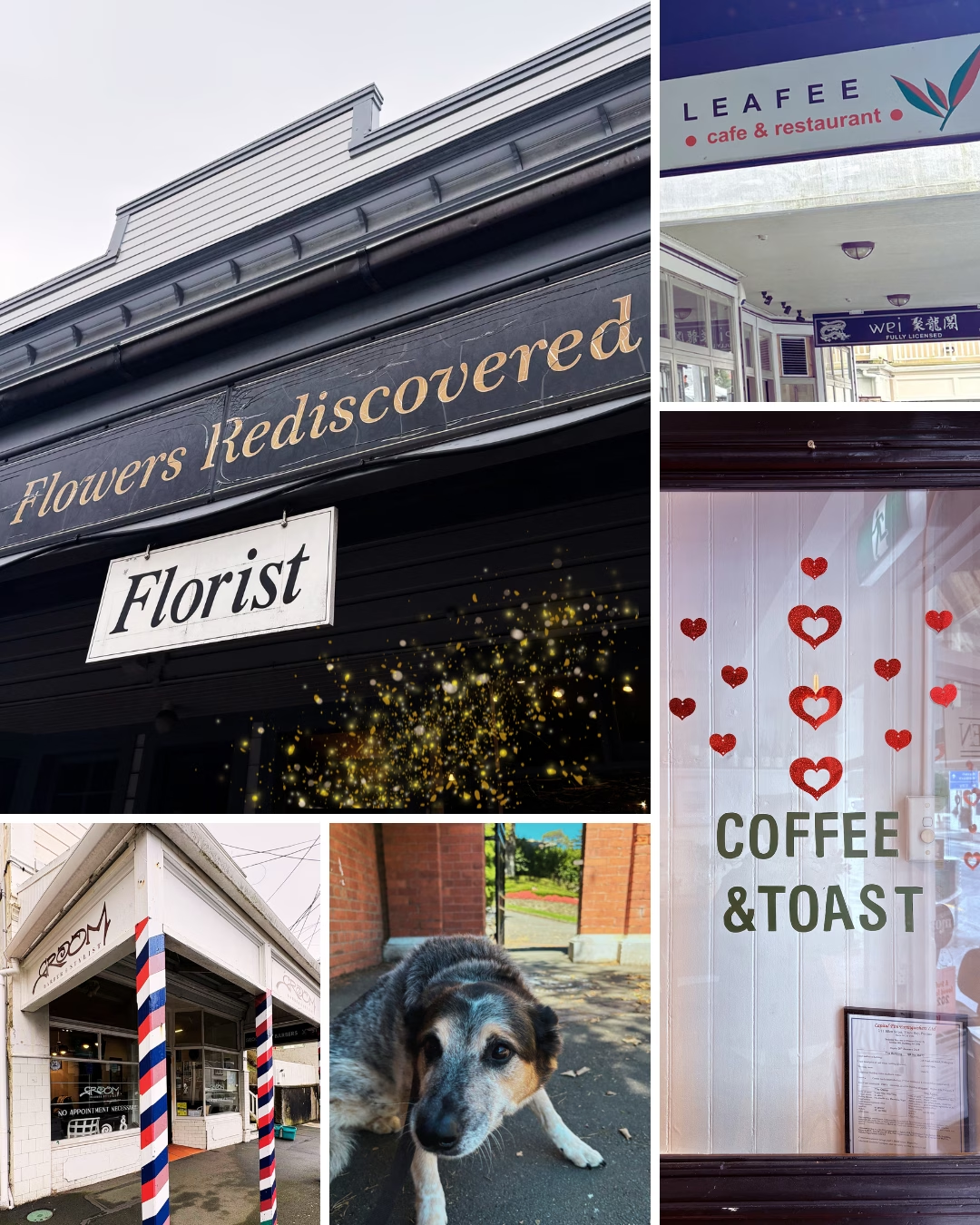
It means we actively choose to support other local businesses whenever we can. Around Thorndon, that might look like working with places like Flowers Rediscovered, Goods Cafe, Coffee and Toast, Sprig & Fern, and The Shepherds Arms. And behind the scenes: our accountants Love To Grow; our web designers Grow My Business; livestreamers Broad Media; tech support including Off The Hook; small business marketing advisers Gecko Marketing; and builders Roof Haven. Not to mention our suppliers of beautiful caskets, urns and industry items, Down to Earth and Windsor.
They’re all locally or Kiwi-owned businesses as well. It means that the money spent with us is far more likely to stay within Wellington — supporting other families, other workers and other small businesses in our neighbourhood.
That’s the ripple effect of choosing local. It doesn’t just impact one business — it strengthens an entire community.
Of course, we know we’re the smaller players in a space dominated by large corporate providers. Some might even say, borrowing another line from Darryl Kerrigan, “Tell them they’re dreaming.”
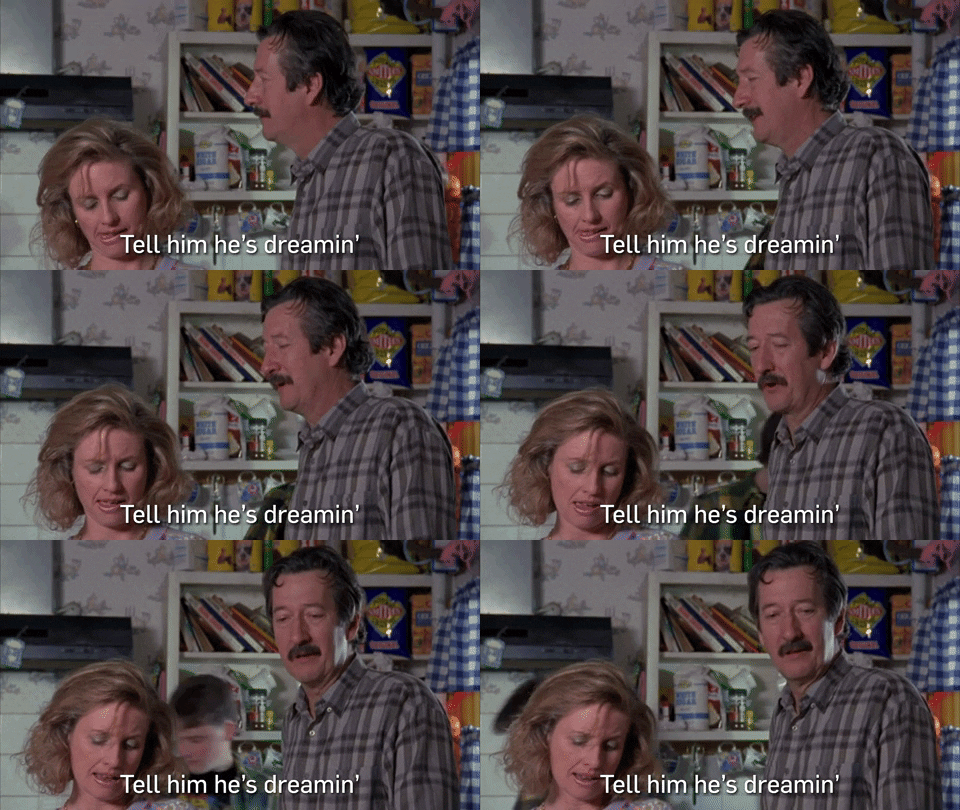
And maybe we are dreaming.
But it’s a dream worth having.
We’re dreaming of a better way to serve families. A more personal, more compassionate approach. A way of doing things where care isn’t compromised by corporate priorities. Where people feel seen, heard and supported every step of the way.
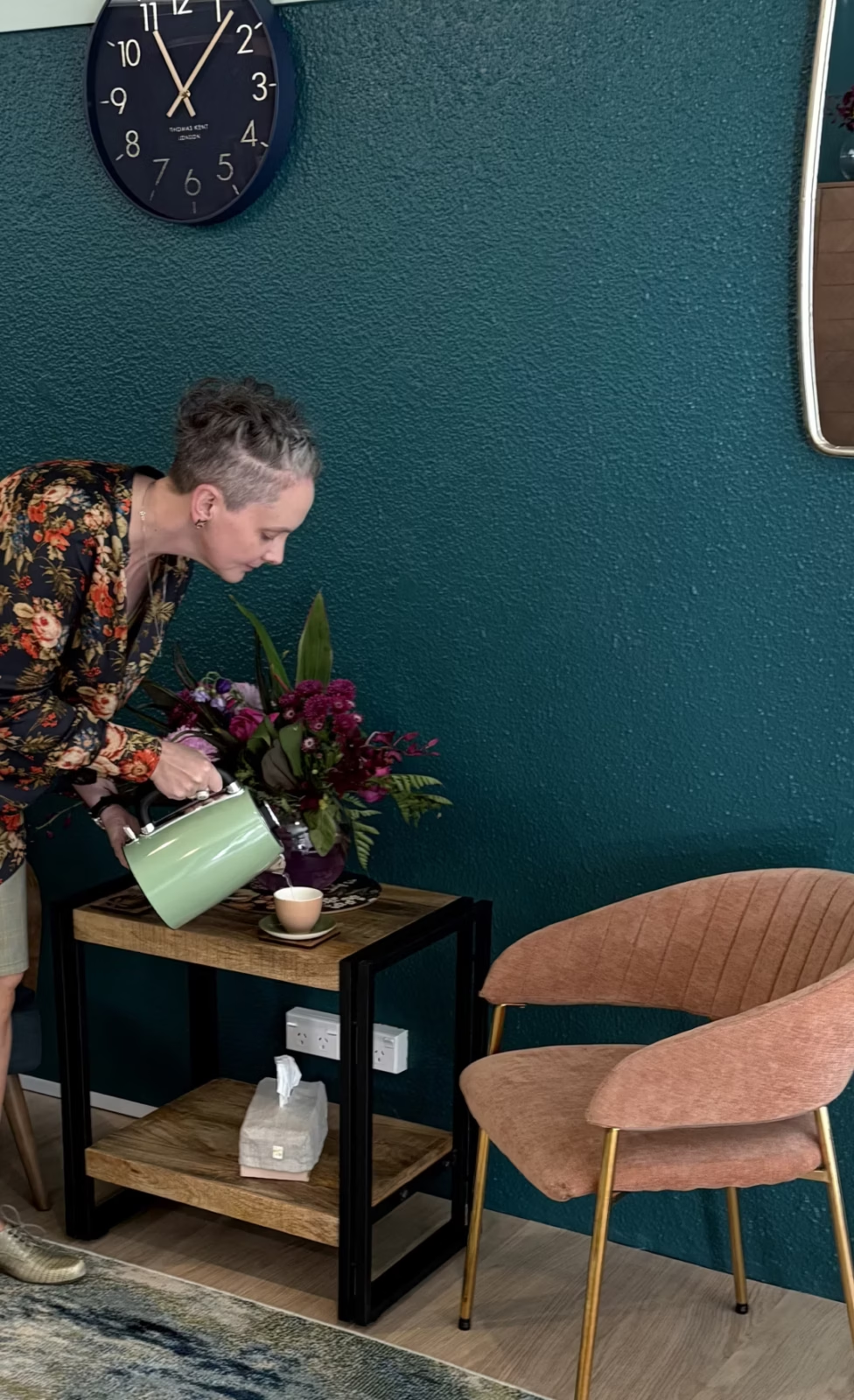
And we don’t think we’re alone in wanting that.
We’re living in a time where many large corporations—banks, power companies, and others—are reporting record profits, even as everyday people face a rising cost of living. It’s easy to start believing that this is just how things are. That maximising profit is the ultimate goal, no matter the cost.
But we don’t buy into that.
Yes, we are a business, and like any business, we need to be sustainable. But we never want to lose sight of why we do what we do. Every family who comes to us is experiencing loss. They’re grieving someone they love—often someone irreplaceable. That’s not something that should ever be reduced to a line item or a bottom line.
In The Castle, Dale says of his dad, “He’s got a way of making people feel important.” That’s something we hold onto.
When you walk through our doors, we want you to feel exactly that—that you matter. That your story matters. That your loved one matters. And that you’re not just another client, but a person who deserves care, respect and compassion.
So, does being locally owned matter?
We believe it does.
And if, when the time comes, you choose to go local, then maybe—just maybe—the little guy can still win.
View other resources

Matariki at Wellington City Funerals
A year ago at Matariki I was poised on a
What should a funeral look like?
“When I die, I want a Viking funeral…” Believe it

We Love Mercury: The Story Behind the Name of Our Hearse
Some names are chosen carefully. Others seem to arrive exactly
Karori seniors serving DRAMA
On Tuesdays at 10am till 11:30, a small group gathers

How did you get to be a Funeral Director, Mary?
I’ve spent most of my life unsure of what I

How do you feel about Mother’s Day?
ASPARAGUS! I hate it. Like, deeply, passionately, no-coming-back-from-it hate it.

NZ Music Month
The emotive joy of music Some memories don’t fade. You

How did you get to be a Funeral Director, Stu?
Becoming a funeral director was the beginning of what would

No shame; no regrets – Pride in our funerals
The Pride Festival is on in Wellington. No matter where

Glossary: some common funeral-related words and what they mean
Do you pin a cortège on your lapel? If you

Can I get a memorial bench in Wellington?
Installing a seat, bench or picnic table in a public

Are you open on Public Holidays?
One of us is always available on the phone, any
Looking for some help? Get in touch
Enter your contact details here and we’ll be in touch as soon as we can. If someone has died, it’s best to call us: 04 399 1299.