

Becoming a funeral director was the beginning of what would ultimately become my third career. While the path that led me here was not one I originally planned, each stage of my life has shaped the way I care for families today and the perspective I bring to funeral services.
The pathway from sharemilker to Funeral Director
For sixteen years, I worked as a dairy farmer and sharemilker in the Manawatu. Farming taught me the value of hard work, resilience and responsibility. It also fostered a strong sense of community. Rural life has a way of bringing people together during both good times and difficult seasons, and I came to appreciate the importance of supporting one another through life’s challenges.
After many years in the dairy industry, I decided to pursue a different direction. I sold the farm and began training to become a Baptist church pastor. This journey involved several years of study and ultimately led to completing a Bachelor of Applied Theology. Ministry was deeply meaningful to me, as it provided an opportunity to walk alongside people through some of the most important moments in their lives.
I served as the pastor of Wellington South Baptist Church for ten years. During that time, I had the privilege of being involved in countless life events within the community. Weddings, baptisms, pastoral care visits, and particularly funerals were all part of the role. Of these responsibilities, I discovered that funerals were something I felt especially drawn to and capable of doing well. Supporting grieving families, helping them reflect on a life lived, and guiding them through a meaningful farewell was work that resonated deeply with me.
After a decade in ministry, however, I found myself asking some serious questions about church and faith. These questions led me to step back from pastoral leadership and undertake postgraduate study, focusing particularly on the subject of sin and theology. While I was studying, I needed a way to earn an income. Because I had officiated many funerals as a minister, I approached a local funeral home to ask whether they might have any celebrancy work available.
A foot in the door of the funeral home
At the time, they explained that they already had a number of celebrants working with them. However, they did have an opportunity for a part-time assistant. The role involved helping with transfers, assisting at services, and supporting the funeral directors in whatever way was needed. Although I had never considered becoming a funeral director before, I recognised that it was an opportunity to be involved in meaningful work while continuing my studies. I accepted the position.

Initially, I was quite nervous about the responsibility. Funeral directing carries significant trust. Families place their loved ones in your care during one of the most vulnerable times in their lives. I was very aware that my actions reflected not only on myself but also on the reputation of the funeral home that had employed me. I wanted to do the work well and honour the trust families were placing in us.
As time went by and I gained experience, my confidence grew. I began assisting with more responsibilities and gradually became more independent in the role. The work was demanding, but it was also incredibly rewarding. I discovered that I genuinely loved being part of the funeral profession.
After about eighteen months, I had completed my postgraduate study. During that time, I had also come to an important realisation: I no longer wanted to return to church ministry. Instead, I wanted to pursue a career as a funeral director.
One of the reasons I find funeral service so fulfilling is that it allows me to help people in a very real and practical way. When a death occurs, families are often navigating shock, grief and uncertainty all at once. Unlike weddings, which people often plan for months or even years, funerals are typically organised within a matter of days. In that short period of time, families must make many decisions while processing painful emotions.
My role as a funeral director is to guide families through that process with care and clarity. I try to keep the bigger picture in mind while also paying close attention to the many details that make a service meaningful. From the structure of the ceremony to the small practical arrangements that happen behind the scenes, every detail contributes to creating a respectful and memorable farewell.
I take great satisfaction in doing this work well. Helping families feel supported, reducing their stress, and ensuring that everything comes together smoothly is deeply rewarding.
One of the strengths I bring to funeral directing is adaptability. Every funeral is different, and each family has its own needs, traditions, and expectations. Over time, I have learned to draw on guiding principles that help shape meaningful services while still remaining flexible. This allows me to suggest options and solutions that families may not have considered, helping them create a farewell that truly reflects the person who has died.
Funeral service can also involve unexpected challenges. Sometimes plans change at the last minute, circumstances shift or unforeseen issues arise. In those moments, remaining calm and focused is essential. I pride myself on being able to find practical solutions quickly and quietly so that families can continue to feel confident that everything is under control.
Read Stu’s blog about being a celebrant
My background as a church minister has also been incredibly valuable in this profession. Years of pastoral experience taught me how to navigate difficult conversations and emotionally complex situations. Grief can bring unresolved tensions within families to the surface, and occasionally relationships may already be strained before arrangements even begin.
Through clear communication, patience and empathy I aim to create an environment where everyone feels heard and respected. Often it is possible to find a path forward that honours a wide range of wishes and helps families work together to create a service that feels right for them.
Ultimately, I believe that funerals play an important role in helping people say goodbye and begin the process of grieving. They provide an opportunity to reflect on a life, share memories and support one another.
I genuinely love being a funeral director. It is a profession that combines compassion, organisation and service to others in a way that few careers do. Being able to support families during one of the most difficult moments of their lives is both a privilege and a responsibility I take very seriously.
I look forward to continuing this work for many years to come, caring for families and helping them create meaningful farewells for the people they love.

View other resources

Matariki at Wellington City Funerals
A year ago at Matariki I was poised on a
What should a funeral look like?
“When I die, I want a Viking funeral…” Believe it

We Love Mercury: The Story Behind the Name of Our Hearse
Some names are chosen carefully. Others seem to arrive exactly
Karori seniors serving DRAMA
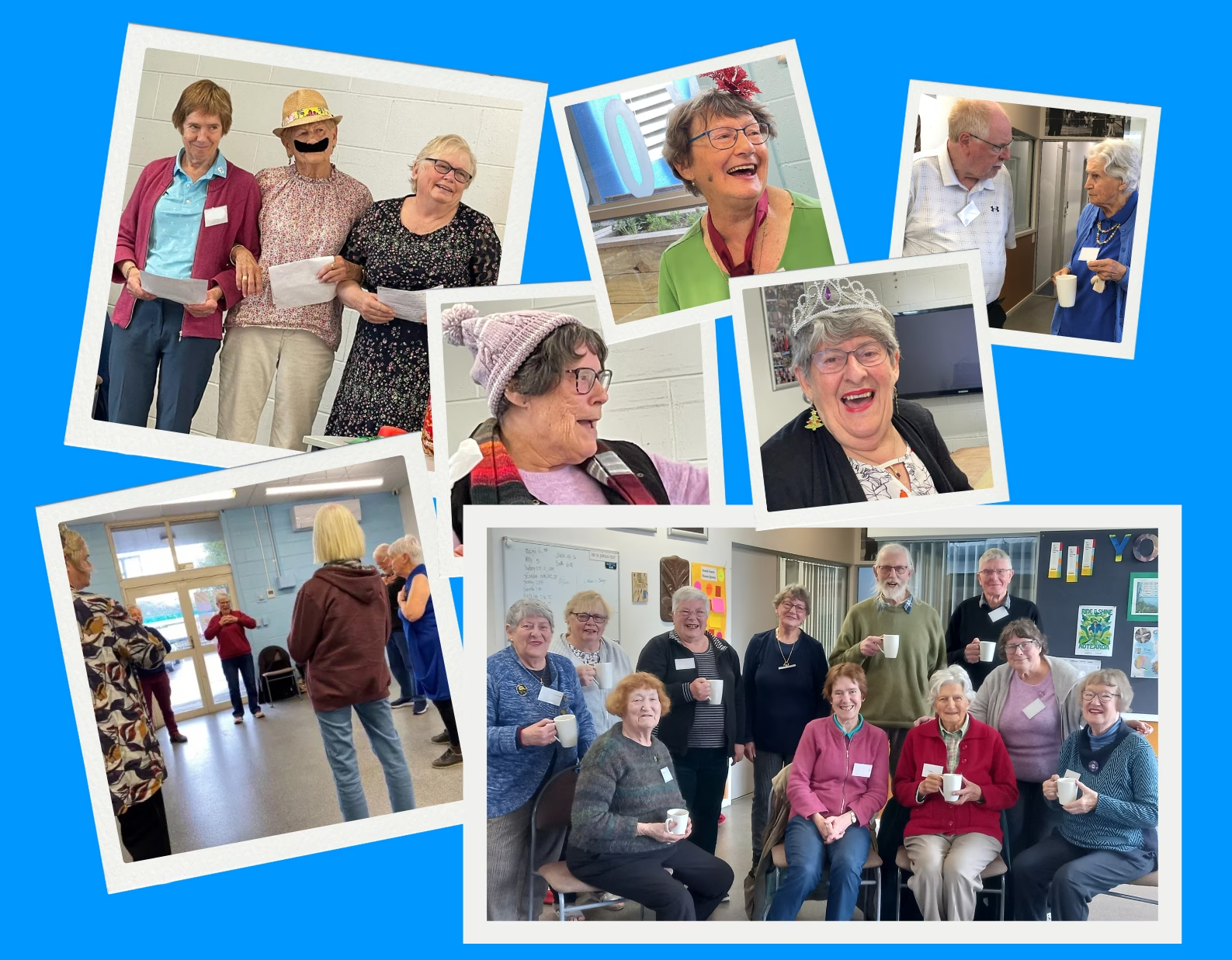
On Tuesdays at 10am till 11:30, a small group gathers

How did you get to be a Funeral Director, Mary?
I’ve spent most of my life unsure of what I

How do you feel about Mother’s Day?
ASPARAGUS! I hate it. Like, deeply, passionately, no-coming-back-from-it hate it.

NZ Music Month
The emotive joy of music Some memories don’t fade. You

Does Being Locally Owned Matter?
1997 was a pretty memorable year for me. It was

No shame; no regrets – Pride in our funerals
The Pride Festival is on in Wellington. No matter where

Glossary: some common funeral-related words and what they mean
Do you pin a cortège on your lapel? If you

Can I get a memorial bench in Wellington?
Installing a seat, bench or picnic table in a public

Are you open on Public Holidays?
One of us is always available on the phone, any
Looking for some help? Get in touch
Enter your contact details here and we’ll be in touch as soon as we can. If someone has died, it’s best to call us: 04 399 1299.