
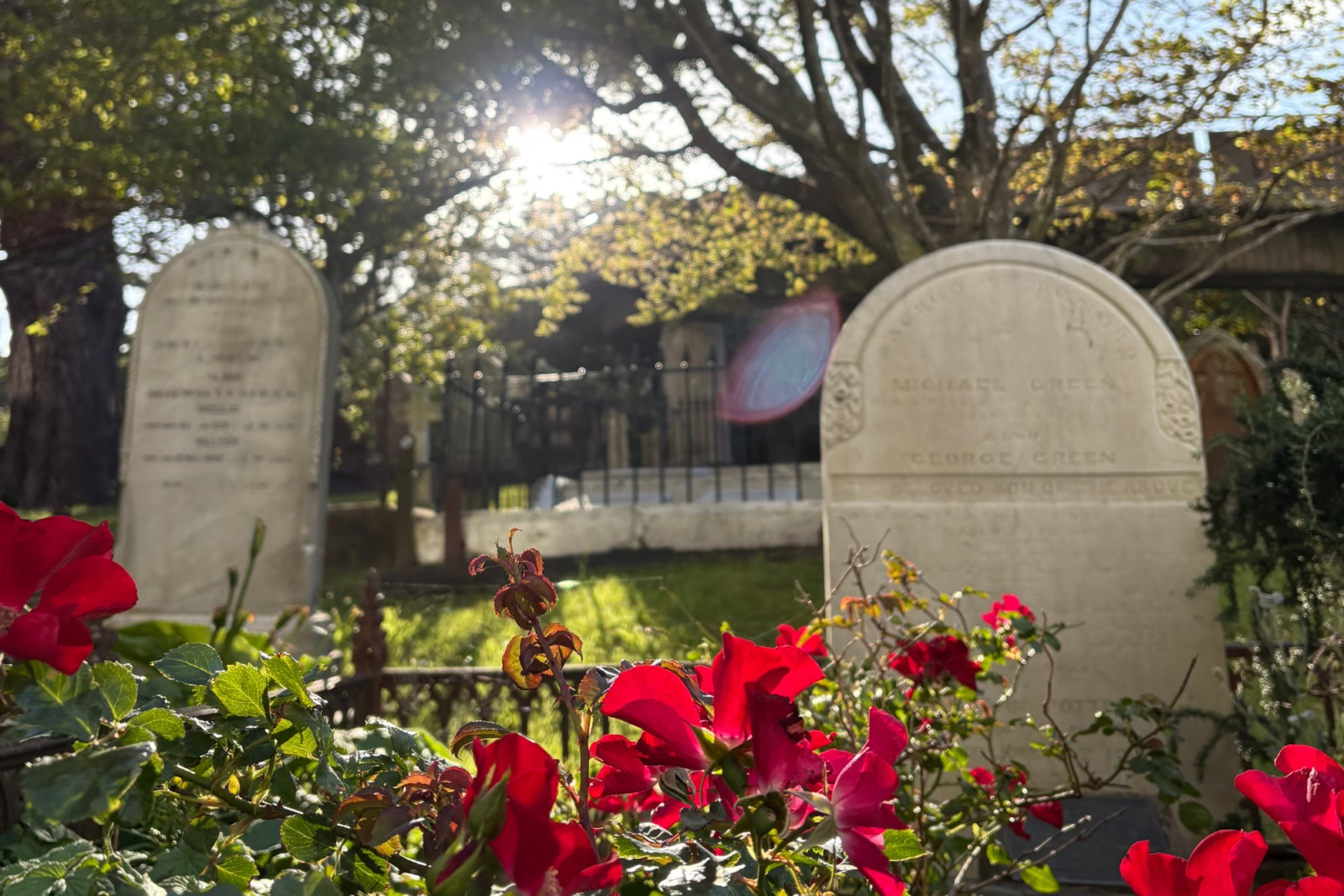
Halloween’s a tricky time for a funeral director.
There’s a whole lot of death imagery out there, along with rituals and rites that stem from religious traditions, all being paired with fun and frolics and intoxicants, and that’s a tricky combo to deal with when you’re looking after people who are grieving a real loss.
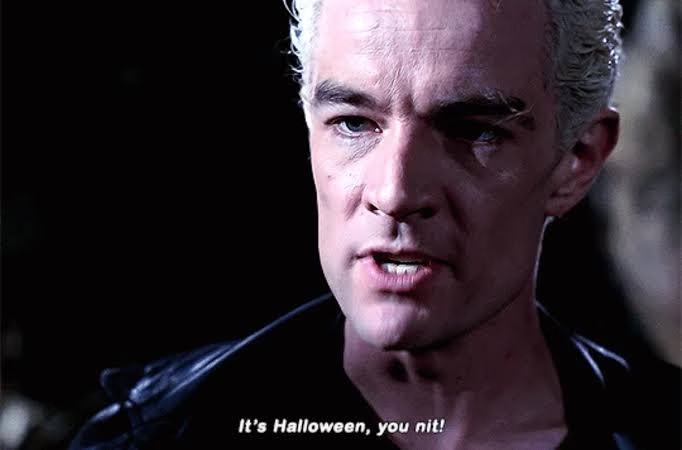
It might be safer, like the vampires in the tv programme Buffy, to opt out of Halloween altogether. Steer clear of all that spoopy, spooky stuff and abide by Spike: “It’s Halloween, you nit. We take the night off.”
A potted history
Halloween’s a festival that has been shaped and reshaped over the centuries to shed a lot of its religious clothing but retain (if you’ll excuse me) its very human bones.
Heard of Samhain? Neither had I. But it was one of those indigenous festivals that existed in Great Britain and Ireland before the Christians came along. It marked the end of the harvest season and the beginning of winter. In autumn, the veil between the living and the dead felt thin. Bonfires would be lit and food eaten. Evil spirits were warded off by means of a carved pumpkin with a candle in it, and by people dressing up in costumes. (Wikipedia, or if you prefer, a segment from RNZ).
Then along come the Romans with the Christian Church, pinning their festivals over the top of existing celebrations, partly to help bed them in, and partly because if you have a Christian festival to remember the dead it makes sense to have it at the time of year when the darkness is drawing in and people are getting nervy about winter.
The word Halloween can be tracked back to before 1500. Halloween = All Hallow’s Evening = the night before All Hallow’s Day. And what’s a Hallow when it’s at home? A Hallow is the Old English word for a saint or holy person. It was also something used as a verb, meaning to make something/someone holy or sacred, or to venerate (honour) something/someone that is holy.
All Saints Day is celebrated on November the first, but like many Christian holy days the practice begins the night (the eve) before. All Saints Day is a time to recognise the church’s official Saints, as well as celebrating the “communion of saints.” This doctrine states the unity of all believers, living and dead – “it reminds us that our connection with fellow Christians doesn’t end with death.” (Anglican Compass)
Sound familiar? That’s what I mean by human bones. No matter where you go in the world, whatever religion or philosophy prevails, people are always trying to understand, to reconcile and come to terms with death. And we’re always reminding ourselves that death doesn’t mean an end to love.
Similar but not the same, there’s Dia De Los Muertos, the Day of the Dead:
A holiday in Mexico, also observed to a lesser extent in other areas of Latin America and in the United States, honoring deceased loved ones and making peace with the eventuality of death by treating it familiarly, without fear and dread. It is typically observed on November 1 and 2. Though often compared to Halloween because of their proximity on the calendar, Día de Muertos is distinct in both origin and meaning, rooted in Indigenous cultures that celebrate death as a continuation of life.
We still love those who’ve died. And we seek out ways to remember them, to celebrate what made them who they still are to us, and by doing so to feel close to them.
Where does trick or treating come into it?
Well, it’s basically the same as the above. You start with something primally human like the veil between life and death and you overlay it with several centuries of tradition, religion, culture and the fundamental human drive to dress up your baby as a spider.
“The All Souls’ Day custom of baking and sharing soul cakes for all christened souls has been suggested as the origin of trick-or-treating… Groups of poor people, often children, would go door to door on All Souls’ Day, collecting soul cakes in exchange for praying for the dead, especially the souls of the givers’ friends and relatives.”
Incidentally, I recently found out that kids these days are offering a “trick” in exchange for a treat, where the trick is the performance of some skill like a handstand or wiggling your ears. That’s not it! You’re meant to be threatening people with egging their car. Which proves that, with time, holidays change and even the noble traditions of vandalism and delinquency go by the wayside.
Taste and preference
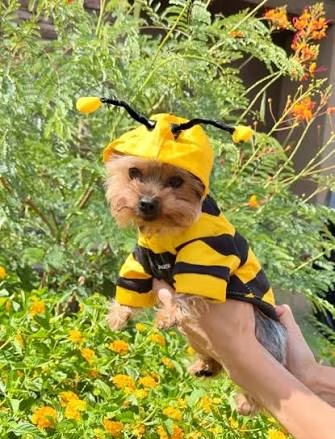
There are funeral homes who put up Halloween decorations, and funeral homes who hold All Saints Day memorial services. There are those who put out lollies for kids and those who are too busy looking after people to get round to doing anything at all for a festival that might seem to be right up our alley. In Aotearoa, Halloween hasn’t reached cultural near-saturation like Christmas or Easter, so you can totally opt out. Or you can grab a baby and a bumblebee costume and really have some fun.
Every family’s needs are different. With some, the funeral for their loved one will be a celebration, a bright and joyous time of thanksgiving for a life. For others, there is no celebration, no flowers or music – only sadness. Some will be rooted deeply in tradition; others will be improvised. Some will need us to walk closely with them every step of the way, while others only need a little guidance, a nudge in the right direction.
Essentially, though, every funeral service is grasping to fill the same needs: to mourn, to mark, to remember, to reconcile.
So while the fantastic, the ghoulish, the aggressively mundane costumes of Halloween may seem more than a step removed from these essential, bone-deep human needs, I think they still provide room to talk a bit, to think a bit. And to have a mini Snickers.
View other resources

How do I place a newspaper notice?
“I’ll need a Death Certificate, won’t I?” We’ve been hearing

Matariki at Wellington City Funerals
A year ago at Matariki I was poised on a
What should a funeral look like?
“When I die, I want a Viking funeral…” Believe it

We Love Mercury: The Story Behind the Name of Our Hearse
Some names are chosen carefully. Others seem to arrive exactly
Karori seniors serving DRAMA
On Tuesdays at 10am till 11:30, a small group gathers

How did you get to be a Funeral Director, Mary?
I’ve spent most of my life unsure of what I

How do you feel about Mother’s Day?
ASPARAGUS! I hate it. Like, deeply, passionately, no-coming-back-from-it hate it.

NZ Music Month
The emotive joy of music Some memories don’t fade. You

Does Being Locally Owned Matter?
1997 was a pretty memorable year for me. It was

How did you get to be a Funeral Director, Stu?
Becoming a funeral director was the beginning of what would

No shame; no regrets – Pride in our funerals
The Pride Festival is on in Wellington. No matter where

Glossary: some common funeral-related words and what they mean
Do you pin a cortège on your lapel? If you
Looking for some help? Get in touch
Enter your contact details here and we’ll be in touch as soon as we can. If someone has died, it’s best to call us: 04 399 1299.