
Some names are chosen carefully. Others seem to arrive exactly when they’re meant to.
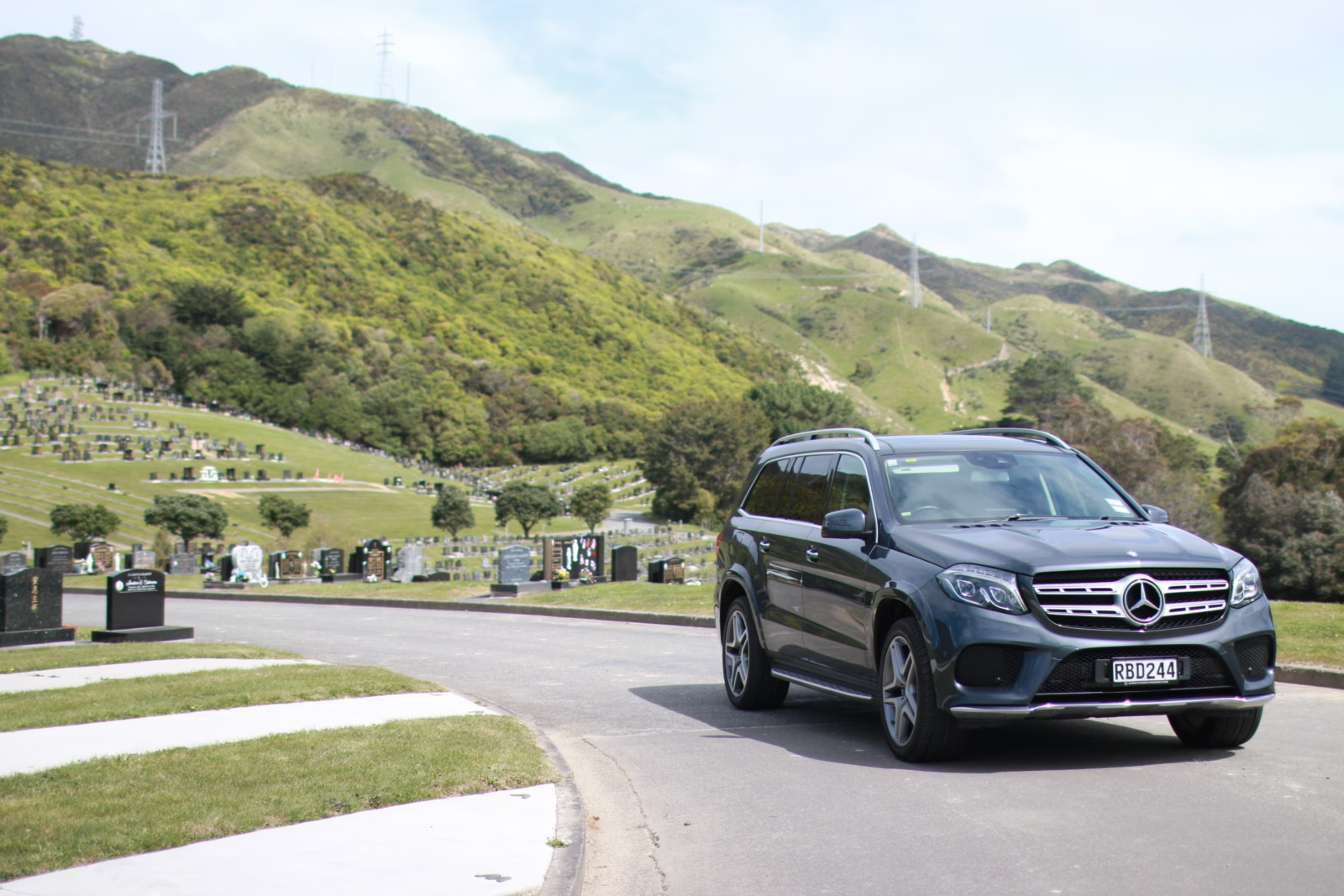
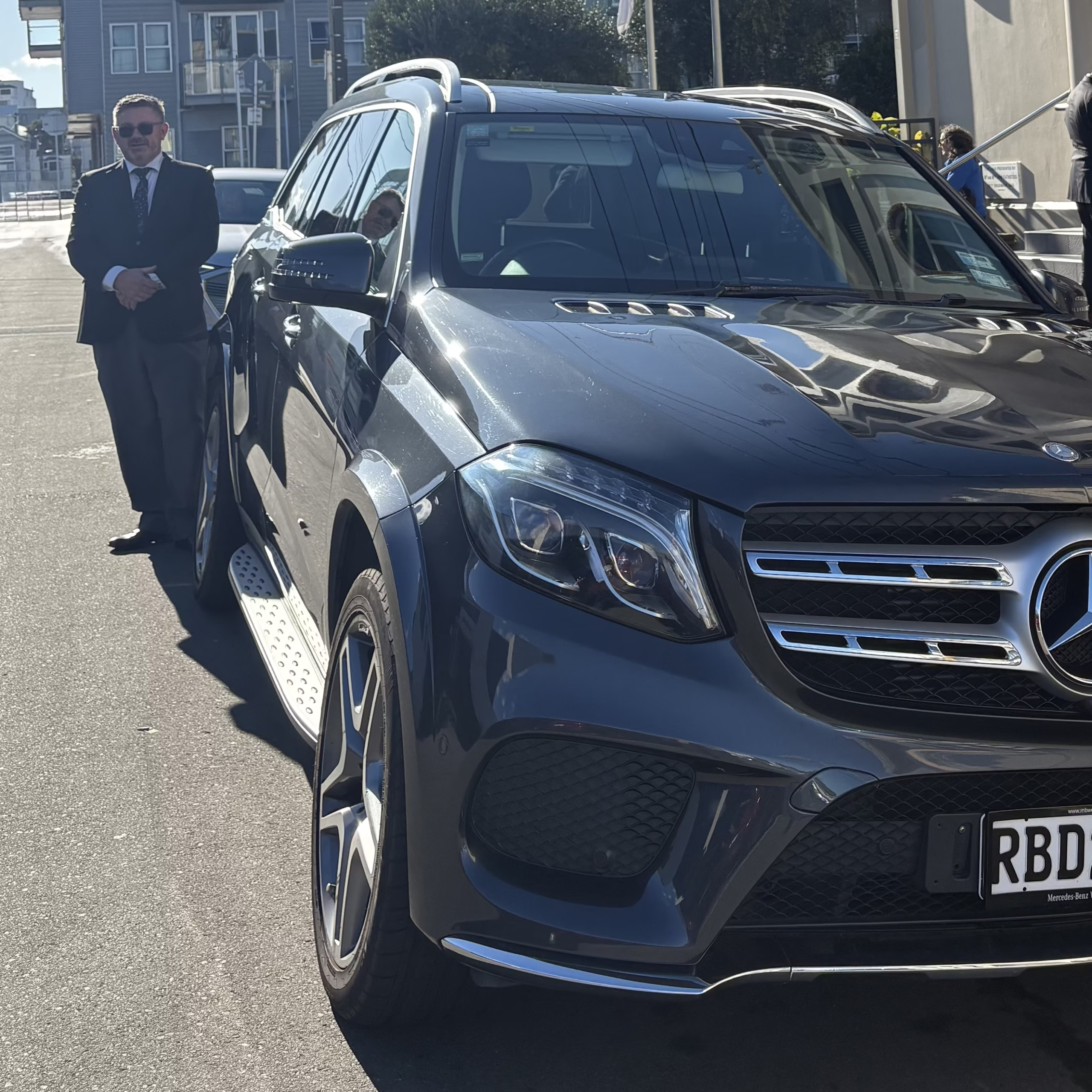
This is the story of Mercury, our hearse.
A Journey to Cape Reinga
When I was a kid, my family spent a week holidaying in the Bay of Islands. One day, we piled into our purple Valiant Ranger and drove all the way to the top of New Zealand—to Cape Reinga.
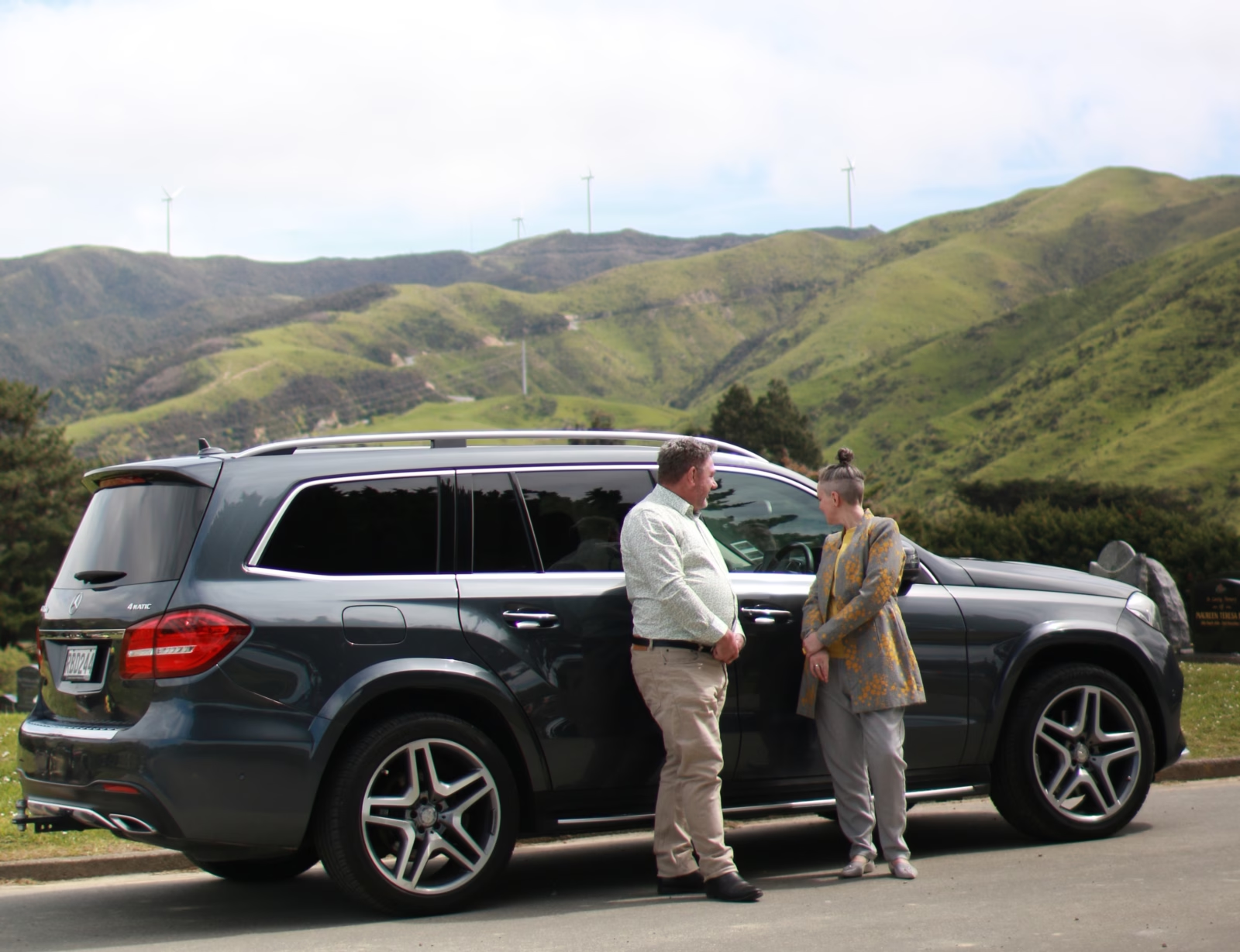
At the time, it was simply a destination. I’d been there, seen it, done it.
But in 2021 I returned and the experience was completely different.
By then, I had come to understand the spiritual significance of that place. I learned about Te Ara Wairua, the pathway followed by the wairua (spirit) as it journeys north along the coastline. The journey culminates at Te Rerenga Wairua (Cape Reinga), where tradition tells us the spirit descends the roots of an ancient pōhutukawa tree into the ocean before travelling onward to Hawaiki-a-Nui, guided by ancestors who have gone before.
What I had once viewed as a beautiful lookout had become something much deeper—a place of profound spiritual meaning.
Understanding the Role of a Psychopomp
During my studies to become a fully qualified funeral director, I was introduced to the concept of a psychopomp.
A psychopomp is a supernatural being, deity, or spirit whose role is to guide souls from this world to the next. The concept appears throughout cultures and religions across the globe.
In Norse mythology, the Valkyries escorted fallen warriors to Valhalla. In Egyptian mythology, Anubis guided souls to the weighing of the heart. Within the Abrahamic traditions, the Archangel Michael is often associated with guiding the departed. Greek mythology speaks of Hermes and Charon, while Roman mythology identifies Mercury as the guide who escorts souls to the underworld.
As funeral directors, we were encouraged to think about our work through a similar lens. While we are not spiritual guides in the literal sense, we help families navigate one of life’s most difficult journeys. We guide them through farewells, support them in honouring their loved one, and help create the space for a peaceful goodbye. And to do this while ushering the body of the deceased through these rituals to their final resting place.
In that sense, there is something of the psychopomp in the work we do.
Finding the Right Hearse
As Wellington City Funerals began to take shape, one thing was clear: we needed a vehicle that could transport those in our care with dignity and respect.
When we started looking at traditional hearses, we found ourselves facing two problems. They were either extraordinarily expensive or they were older vehicles that looked tired and worn.
So we asked a different question.
Was there another vehicle on New Zealand roads that could offer elegance, comfort and a sense of luxury, while also helping us keep our prices fair for families?
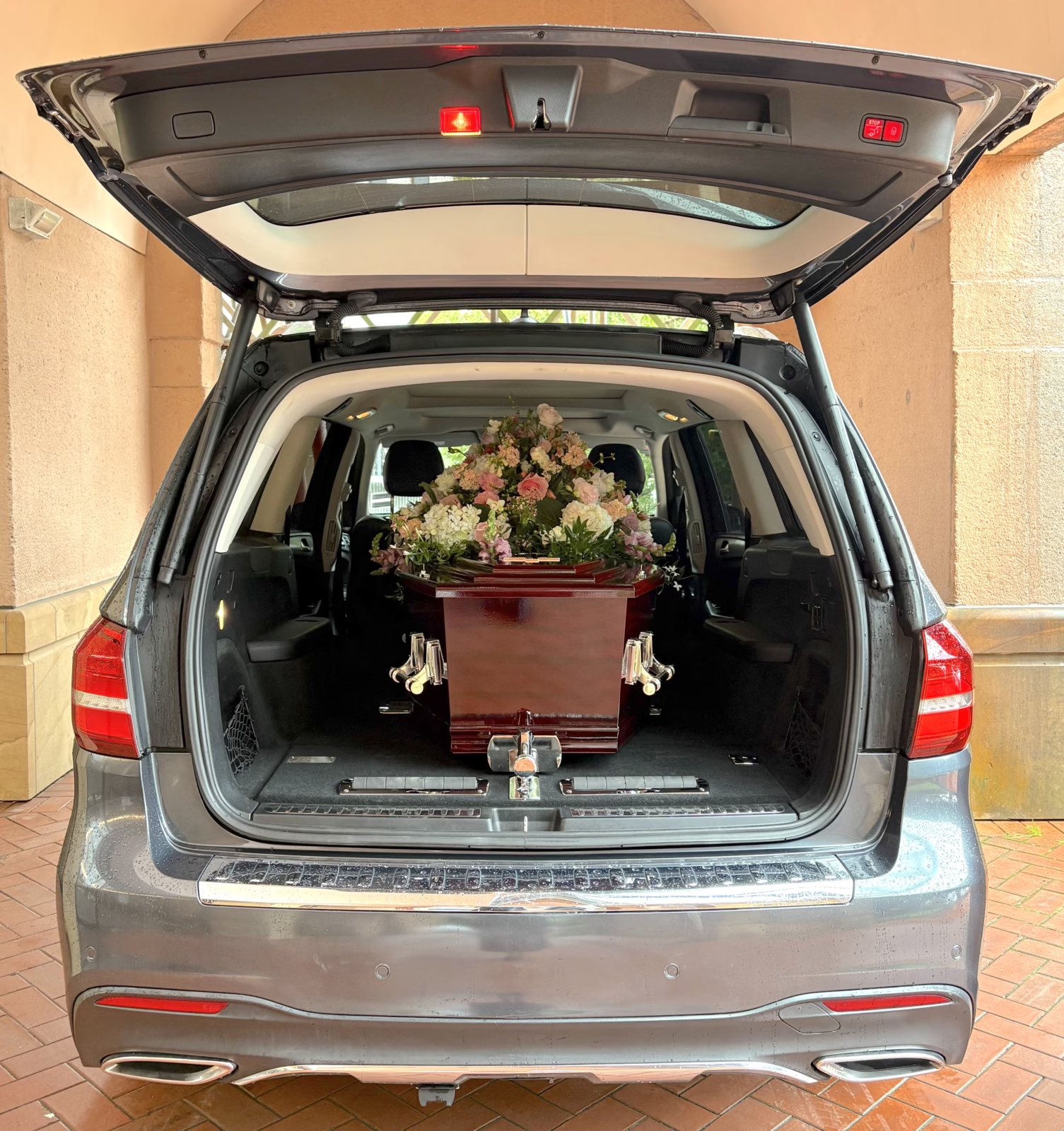
With guidance from Boyd Bespoke Hearses, we found our answer: a Mercedes-Benz GLS350D.
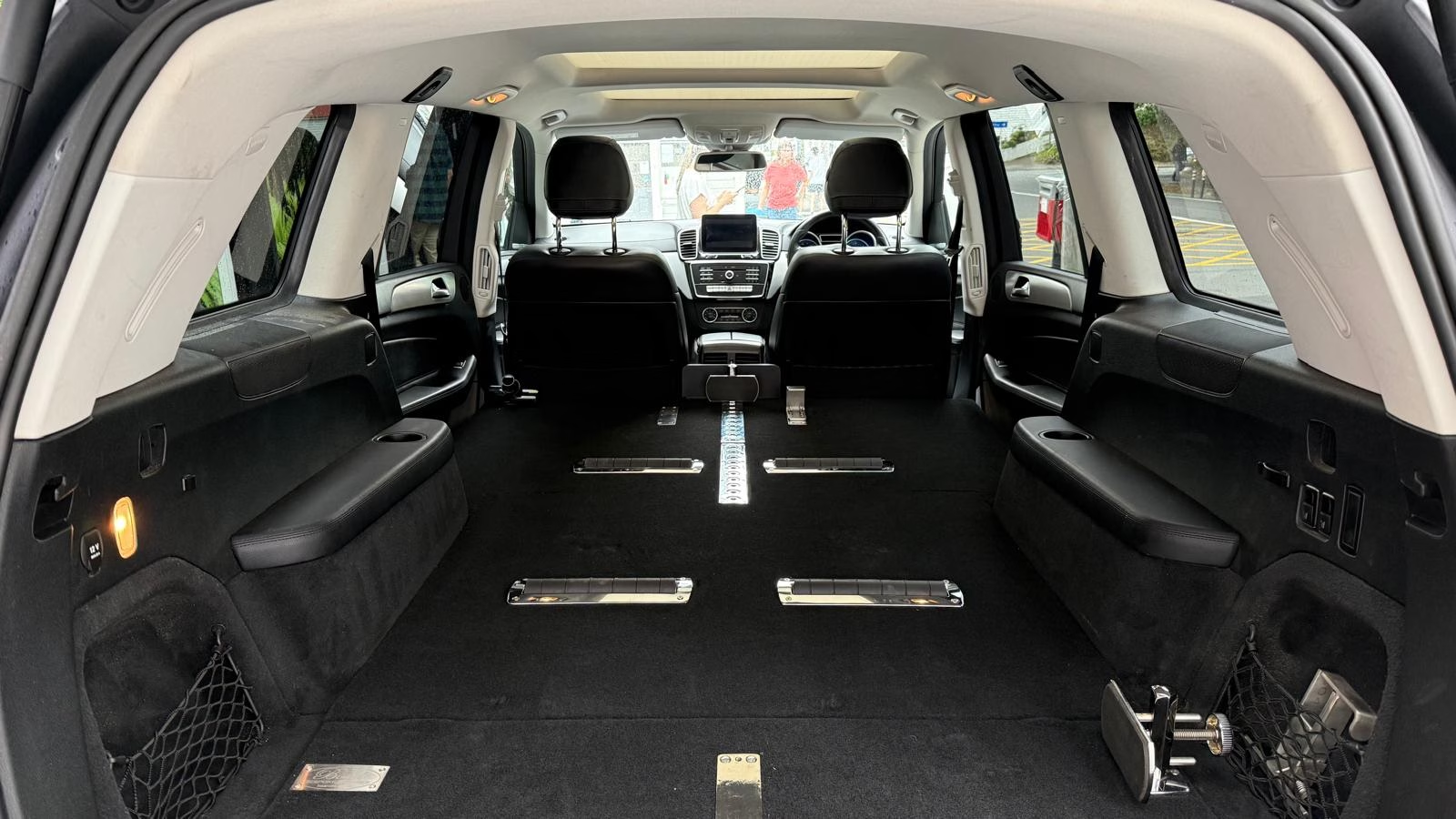
Originally a seven-seat luxury SUV, it offered the space we needed and the quality we were looking for. Boyd Bespoke Hearses then transformed it into a beautiful and dignified hearse that Mary and I are incredibly proud of. It also functions as our “transfer vehicle” – effortlessly converting into a space for a stretcher (rather than a casket) for that first journey from the place where someone has died into our care at 352 Tinakori Road.
A Different Kind of Hearse
I’ll admit, I was slightly nervous when we first introduced it.
It doesn’t look like what most people imagine when they think of a hearse. There’s no long stretched body. No large side windows displaying the casket to passing traffic
Would people accept something different?
As it turns out, they absolutely did.
The feedback has been overwhelmingly positive.
People tell us they love the look of it. They appreciate the tinted windows and the privacy they provide. One person told me, “I didn’t want Mum on full display for all of Wellington to see.”
Perhaps the most common response we hear is simply: “That’s really clever.”
For many families, the vehicle feels more modern, more discreet, and more aligned with how they want their loved one to be cared for.
Falling in Love with a Mercedes
There is another confession I should make.
I absolutely love driving it.
I’ve never been much of a car enthusiast, but this vehicle changed that. Suddenly, I understood why Mercedes-Benz has such a reputation for luxury.
It’s comfortable. It’s refined. It’s beautifully engineered.
To be honest, it’s the first vehicle I’ve ever owned that I’ve genuinely enjoyed driving. I like it so much that I even bought a Mercedes cap. And when Kimi Antonelli is doing well in Formula One, I can’t help but think, “We own a Merc, too.”
The Perfect Name
Of course, every good funeral home vehicle eventually earns a name. One day, my wife Michelle and Mary were talking, and the answer appeared almost effortlessly.
We owned a Merc. We had learned about the role of the psychopomp. And in Roman mythology, Mercury is the psychopomp who guides souls on their journey. What better name could there be?
On 21 January 2026, Mary sent me a WhatsApp message that simply read: “By the way, we’ve named the work vehicle: Mercury.”
The moment I understood the significance, I loved it. The name connected everything—the vehicle itself, the role we play as funeral directors, and the ancient tradition of guiding people through life’s final journey.
And so Mercury was christened.
Today, as we travel throughout Wellington caring for families and those entrusted to us, we’re proud of the vehicle that carries that name.
And it’s fair to say: We love Mercury.
View other resources

Matariki at Wellington City Funerals
A year ago at Matariki I was poised on a
What should a funeral look like?
“When I die, I want a Viking funeral…” Believe it
Karori seniors serving DRAMA
On Tuesdays at 10am till 11:30, a small group gathers

How did you get to be a Funeral Director, Mary?
I’ve spent most of my life unsure of what I

How do you feel about Mother’s Day?
ASPARAGUS! I hate it. Like, deeply, passionately, no-coming-back-from-it hate it.

NZ Music Month
The emotive joy of music Some memories don’t fade. You

Does Being Locally Owned Matter?
1997 was a pretty memorable year for me. It was

How did you get to be a Funeral Director, Stu?
Becoming a funeral director was the beginning of what would

No shame; no regrets – Pride in our funerals
The Pride Festival is on in Wellington. No matter where

Glossary: some common funeral-related words and what they mean
Do you pin a cortège on your lapel? If you

Can I get a memorial bench in Wellington?
Installing a seat, bench or picnic table in a public

Are you open on Public Holidays?
One of us is always available on the phone, any
Looking for some help? Get in touch
Enter your contact details here and we’ll be in touch as soon as we can. If someone has died, it’s best to call us: 04 399 1299.